
Comparison · Computer architecture books
Computer Architecture: A Quantitative Approach vs Computer Organization and Design RISC-V Edition: which fits your needs?
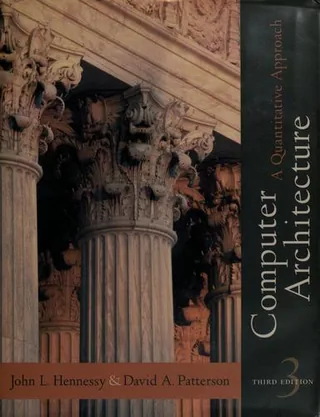 Computer Architecture: A Quantitative Approach91.0#2 in best computer architecture books
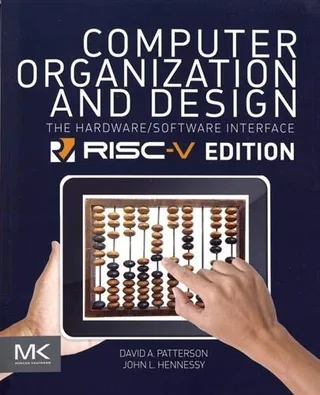 Computer Organization and Design RISC-V Edition93.0#1 in best computer architecture books
Computer Organization and Design RISC-V Edition ranks higher in our list of computer architecture books (#1 against #2, score 93.0 against 91.0), but the gap is small and the better choice depends on what you need.
These are editorial scores for this category, not measured performance. Compare the limits and suitability below, and confirm current terms with each vendor. Publisher connections can affect the order.
- 91.0Editorial score93.0
- 1Formats1
- NoFree to useNo
Which should you choose?
Choose Computer Architecture: A Quantitative Approach if you want
Advanced study of processor and memory design.
The deepest book here on processor, memory and parallel design, taught through measured comparison of designs. It assumes prior knowledge of digital logic and suits graduate students, so it ranks below the broader introductory textbook.
Choose Computer Organization and Design RISC-V Edition if you want
Students learning how software meets hardware.
The best all-round textbook here, linking software instructions to processor hardware through the open RISC-V instruction set. It is less advanced than the Computer Architecture text, so it ranks first for the typical reader.
Side by side
 Computer Architecture: A Quantitative Approach |  Computer Organization and Design RISC-V Edition | |
|---|---|---|
| Score | 91.0 | 93.0 |
| Rank in list | #2 of 11 | #1 of 11 |
| Price | PaidSold as a print book; price varies by seller | PaidSold as a print book; price varies by seller |
| Free to use | No | No |
| Formats | ||
| Author | John L. Hennessy and David A. Patterson | David A. Patterson and John L. Hennessy |
| Level | Advanced | Beginner to intermediate |
| Main focus | Processor, memory and parallelism design | Hardware and software interface on RISC-V |
| Projects or exercises | Yes | Yes |
| Best for | Advanced study of processor and memory design | Students learning how software meets hardware |
| Strengths |
|
|
| Limits |
|
|
| Links | Visit site | Visit site |
Questions about Computer Architecture: A Quantitative Approach vs Computer Organization and Design RISC-V Edition
- Is Computer Organization and Design RISC-V Edition better than Computer Architecture: A Quantitative Approach?
- Computer Organization and Design RISC-V Edition ranks higher in our list of computer architecture books (#1 against #2, score 93.0 against 91.0), but the gap is small and the better choice depends on what you need. Computer Architecture: A Quantitative Approach is best for: advanced study of processor and memory design. Computer Organization and Design RISC-V Edition is best for: students learning how software meets hardware.
- How do the price models of Computer Architecture: A Quantitative Approach and Computer Organization and Design RISC-V Edition compare?
- Computer Architecture: A Quantitative Approach: Sold as a print book; price varies by seller. Computer Organization and Design RISC-V Edition: Sold as a print book; price varies by seller. Check each official site for current prices, billing periods, limits and renewal terms.
Choosing between the two
Learning Center 1:17How to decide between two good optionsSettle a close call by sorting it by how hard it is to undo, setting a deadline, scoring the criteria as a tie-breaker and writing down why you chose.
 1:20How to compare products fairly: what to keep in mindDefine the job, cap the must-haves, compare like with like, count total cost over one period and weigh the criteria. Includes a worked example.