
Ranking
Best Computer Architecture Books in 2026
Computer architecture books differ most in how much they assume and whether they ask the reader to build anything. This ranking weighs clarity and depth first, then hands-on practice and currency. It covers beginner narratives, introductory and advanced textbooks, and one book that builds a whole computer in projects.
The ranking
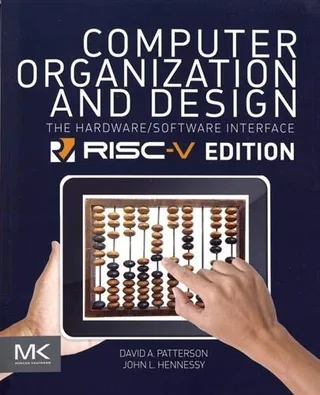 Computer Organization and Design RISC-V Edition93.0
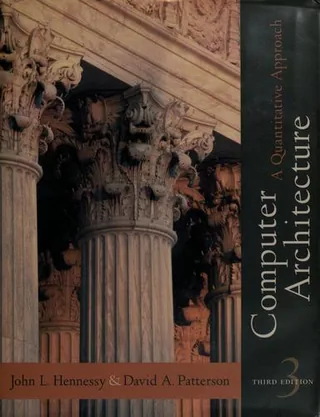 Computer Architecture: A Quantitative Approach91.0
 Code90.0
- Top pick
 Computer Organization and Design RISC-V Edition93.0
- Best with a free plan
 Dive into Systems87.0
- Runner-up
 Computer Architecture: A Quantitative Approach91.0
Scores are editorial, not benchmark results or user ratings; an asterisk marks a publisher connection with a disclosed ranking adjustment. How the order is set.
- 1
Computer Organization and Design RISC-V Edition
The best all-round textbook here, linking software instructions to processor hardware through the open RISC-V instruction set. It is less advanced than the Computer Architecture text, so it ranks first for the typical reader.
Best for Students learning how software meets hardware
PrintPaid
- 2
Computer Architecture: A Quantitative Approach
The deepest book here on processor, memory and parallel design, taught through measured comparison of designs. It assumes prior knowledge of digital logic and suits graduate students, so it ranks below the broader introductory textbook.
Best for Advanced study of processor and memory design
PrintPaid
- 4
Computer Systems: A Programmer's Perspective
The strongest guide here to how hardware and systems software shape program behavior, covering memory, linking and concurrency. It is demanding and assumes C experience, so it ranks below the more approachable Code.
Best for Programmers who want to see the machine under C
PrintPaid
- 5
The Elements of Computing Systems
The only book here that builds a complete computer, from logic gates to an operating system, through projects. Its simplified machine differs from modern processors, so it ranks below the textbooks for general understanding.
Best for Learning by building a complete computer
PrintPaid
- 6
Dive into Systems
A free, interactive introduction to how a computer runs a program, from C and assembly down to circuits. It covers less than the full systems textbook, so it ranks below CS:APP for readers who want depth.
Best for Free first course in computer systems
Read online, PrintFree
- 7
Digital Design and Computer Architecture
A clear intermediate path from logic gates and HDL to a microprocessor design, with a hardware focus. It covers software and systems topics less than the computer systems textbook, so it ranks below that book for general readers.
Best for Hardware design students learning HDL and logic
PrintPaid
- 8
Introduction to Computing Systems
A print textbook that connects bits and gates to C programs, covering the path from hardware to software in one book. Its editions are older and cover less of modern processors, so it ranks below the newer textbooks for general readers.
Best for Connecting hardware and C programming
PrintPaid
- 9
Structured Computer Organization
An undergraduate introduction to computer hardware and architecture, organized in layers from hardware to software. It is a broad overview rather than a deep study, so it ranks below the specialized textbooks.
Best for Undergraduate overview of computer organization
PrintPaid
- 10
Inside the Machine
A visual introduction to how processors work, suited to readers new to hardware. Written in 2006, it predates many-core and GPU designs and gives less depth than the textbooks above it.
Best for Visual introduction to processors for beginners
PrintPaid
- 11
But How Do It Know?
The most accessible book here for readers with no background, building a simple CPU from gates in plain language. It is light on modern topics and self-published, so it ranks last despite its clarity.
Best for General readers new to computer hardware
PrintPaid
At a glance
| Product | Score | Price | Formats | Level | Main focus | Projects or exercises |
|---|---|---|---|---|---|---|
| Computer Organization and Design RISC-V Edition | 93.0 | Paid | Beginner to intermediate | Hardware and software interface on RISC-V | Yes | |
| Computer Architecture: A Quantitative Approach | 91.0 | Paid | Advanced | Processor, memory and parallelism design | Yes | |
 Code | 90.0 | Paid | Beginner | From relays and signals up to a processor | No | |
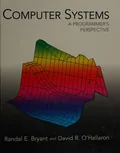 Computer Systems: A Programmer's Perspective | 89.0 | Paid | Intermediate | How hardware and systems software shape programs | Yes | |
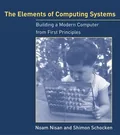 The Elements of Computing Systems | 88.0 | Paid | Intermediate | Building a computer from logic gates up | Yes | |
| Dive into Systems | 87.0 | Free | Read online, Print | Beginner to intermediate | How a computer runs programs, from C to circuits | Yes |
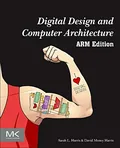 Digital Design and Computer Architecture | 85.5 | Paid | Intermediate | Digital logic, HDL and microprocessor design | Yes | |
 Introduction to Computing Systems | 84.5 | Paid | Beginner to intermediate | From bits and gates to C programs | Yes | |
 Structured Computer Organization | 82.0 | Paid | Intermediate | Computer hardware and architecture in layers | Yes | |
 Inside the Machine | 80.0 | Paid | Beginner | How microprocessors work, illustrated | No | |
 But How Do It Know? | 77.0 | Paid | Beginner | Building a simple CPU from logic gates | No |
How to choose computer architecture books
- Starting from zero
- Code and Inside the Machine explain processors without prerequisites, and But How Do It Know? is the simplest of the three.
- Connecting code to hardware
- Computer Organization and Design and Computer Systems: A Programmer's Perspective both link software to the machine, at different depths.
- Building a computer
- The Elements of Computing Systems builds a complete computer in projects, and Digital Design and Computer Architecture builds a microprocessor from logic gates.
- Designing processors
- Computer Architecture: A Quantitative Approach suits readers who already know digital logic and want to judge designs by measurement.
What the scores weigh
- Clarity for the stated level
- Depth and accuracy of content
- Hands-on practice
- Currency of the material
- Breadth from logic to systems
Scores are editorial, from 0 to 100, and use these criteria. Full method · Disclosure
About computer architecture books
The list covers three kinds of book. Narrative introductions such as Code and But How Do It Know? explain computers from simple circuits up, with no prerequisites. Textbooks such as Computer Organization and Design RISC-V Edition and Computer Systems: A Programmer's Perspective connect hardware to software. Advanced and build-it books, such as Computer Architecture: A Quantitative Approach and The Elements of Computing Systems, go deeper into processor design or into building a whole machine.
The main split is between books that explain and books that have the reader practice. Code, Inside the Machine and But How Do It Know? explain without projects. The Elements of Computing Systems is built around projects, and the textbooks here include exercises or labs. Dive into Systems is free online, while the other ten are print books with no free tier.
Scores are editorial judgments of how well each book serves a typical reader. Level is the main guide: start with Code or But How Do It Know?, then move to Computer Organization and Design RISC-V Edition.
Frequently asked questions
- What is the best computer architecture book for beginners?
- Code is the strongest starting point, since it needs no prerequisites and builds from simple circuits to a processor. But How Do It Know? is simpler still, and Inside the Machine offers an illustrated introduction to processors.
- Which computer architecture book should I read after Code?
- Computer Organization and Design RISC-V Edition is the natural next step, since it links software instructions to the hardware that runs them. Digital Design and Computer Architecture suits readers who want to focus on logic and hardware design.
- Which book teaches computer architecture by building a computer?
- The Elements of Computing Systems builds a complete computer, from logic gates to an operating system, through projects. Digital Design and Computer Architecture builds a microprocessor from logic gates and a hardware description language.
- Which book is best for advanced readers?
- Computer Architecture: A Quantitative Approach is the most advanced book on the list, covering processor, memory and parallel design through measurement. It assumes prior knowledge of digital logic.
- Are any of these books free?
- Yes. Dive into Systems is free to read online and is also sold as a low-cost print edition. The other ten books are paid print books with no free tier, so check a seller for current prices.
Related rankings
- Best AI and machine learning books13 products ranked
- Best career and future-of-work books12 products ranked
- Best industrial automation and manufacturing books9 products ranked
- Best music theory books12 products ranked
- Best personal finance and investing books12 products ranked
- Best productivity and note-taking books10 products ranked
- Best programming books11 products ranked
- Best reinforcement learning and edge ML books10 products ranked










Tools for choosing computer architecture books
All tools- FinderAlternatives finderType the name of a product you already use, and the finder lists the other products from the same rankings in ranked order. Free-only and open-source-only filters narrow the list, and links lead to the product's full alternatives page and to comparison pages.
- FinderSoftware finderThe software finder searches the products in the rankings on this site. Choose a kind, category, platform and price rule, and each result shows its best rank. The results are server-rendered, so the form works without JavaScript.