
Ranking
Best Career and Future-Of-Work Books in 2026
Books on work in the AI era fall into three groups: practical guides to using AI at work, economic analyses of automation, and books on building a career. This ranking weighs clarity and depth first, then the evidence behind each book and how well its advice holds up as AI tools change. Remain Valuable, a short digital book, is included and scored on the same criteria.
The ranking
- Top pick
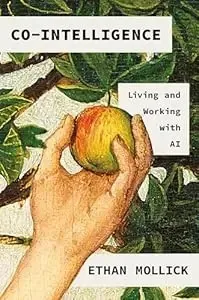
 Co-Intelligence90.0
- Runner-up
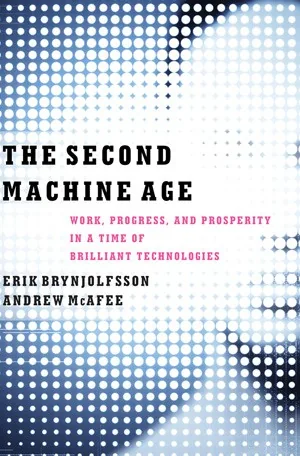
 The Second Machine Age89.0
Scores are editorial, not benchmark results or user ratings; an asterisk marks a publisher connection with a disclosed ranking adjustment. How the order is set.
- 1
Co-Intelligence
The most practical guide here to working with generative AI, written for managers, students and professionals. It is the only title written with current tools in view, but its tool examples will date faster than the economic books.
Best for Practical use of generative AI at work
PrintPaid
- 2
The Second Machine Age
The strongest economic analysis here of how digital technology affects productivity, jobs and inequality. It predates generative AI, so its views on tools are older, but its framework still explains the wider debate.
Best for Economics of digital technology and jobs
PrintPaid
- 3
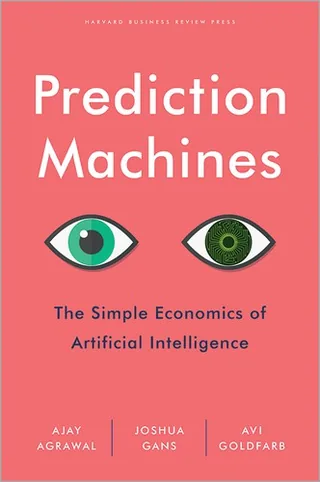
Prediction Machines
Explains AI as cheaper prediction and what becomes more valuable as a result, such as judgment and data. It is narrower than The Second Machine Age, and its 2022 expanded edition updates the examples.
Best for Understanding AI as cheaper prediction
PrintPaid
- 4
Range
A well-supported case that broad experience often beats early specialization in complex fields, drawing on research and case studies. It is about learning and career paths rather than AI, so it complements the AI books above.
Best for Generalist careers and broad experience
PrintPaid
- 5
So Good They Can't Ignore You
Argues for building rare and valuable skills, which it calls career capital, instead of following passion. It is a focused career argument with no AI content, so it suits readers deciding what to build next.
Best for Building rare skills for a career
PrintPaid
- 6
A World Without Work
An economic argument about how automation could reduce paid work, with a focus on policy responses. Its forecasts are speculative, so it ranks below the empirical economics of The Second Machine Age.
Best for Automation, paid work and policy responses
PrintPaid
- 7
Designing Your Life
Applies design-thinking exercises to career and life decisions, with a practical, exercise-driven method. It is about personal choices rather than the economy, so it complements the economic titles above.
Best for Designing career and life decisions
PrintPaid
- 8
Mindset
Dweck's research-based account of fixed and growth mindsets, applied to learning, work and relationships. It is about personal beliefs rather than economics, so it complements the economic titles above.
Best for Learning and growth in work and careers
PrintPaid
- 9
Human + Machine
A business-oriented look at how companies combine people and AI in redesigned processes. It was written before generative AI, so its tool examples are older, and it covers individual careers less than Range or Designing Your Life.
Best for Combining people and AI in company processes
PrintPaid
- 10
Work Rules!
Workplace and management practices drawn from Google, aimed at managers and teams rather than the wider economy. Its examples come from one company, so it ranks below the economic and career titles above.
Best for Management practice inside a large company
PrintPaid
- 11
AI Superpowers
An AI investor's view of the US-China AI race and what it means for jobs. It predates generative AI and is more about geopolitics and industry than about individual career choices.
Best for The US-China AI race and jobs
PrintPaid
- 12
How to Remain Valuable When Intelligence Becomes Cheap*
A short, low-priced digital book on career and economic strategy in an AI-heavy economy, sold as a PDF and EPUB. Its listing gives no chapter detail and it is narrower than the established titles above, so it ranks lower.
Best for Career strategy in an AI-heavy economy
PDF, EPUBPaid
At a glance
| Product | Score | Price | Formats | Main angle | Best reader | Draws on research or data |
|---|---|---|---|---|---|---|
| Co-Intelligence | 90.0 | Paid | Practical AI use at work | Managers, students and professionals | No | |
| The Second Machine Age | 89.0 | Paid | Economics of digital technology | Economists, policy readers and executives | Yes | |
 Prediction Machines | 88.5 | Paid | AI as cheaper prediction | Business leaders and strategists | No | |
 Range | 88.0 | Paid | Generalists and specialization | General readers and career changers | Yes | |
 So Good They Can't Ignore You | 87.0 | Paid | Career capital and skills | Early-career professionals | No | |
 A World Without Work | 86.5 | Paid | Automation and the future of paid work | Policy readers and economists | Yes | |
 Designing Your Life | 86.0 | Paid | Design thinking for careers | People making career or life decisions | No | |
 Mindset | 85.0 | Paid | Fixed and growth mindsets | Learners and people changing careers | Yes | |
 Human + Machine | 84.0 | Paid | Human and AI teams in companies | Executives and operations leaders | No | |
| Work Rules! | 83.0 | Paid | Workplace and management practice | Managers and team leads | Yes | |
 AI Superpowers | 82.5 | Paid | US-China AI race and jobs | Policy readers and business leaders | No | |
 How to Remain Valuable When Intelligence Becomes Cheap* | 70.0 | Paid | PDF, EPUB | Career strategy in an AI economy | Individuals planning careers | No |
How to choose career and future-of-work books
- Practical use of AI
- Co-Intelligence gives everyday guidance on working with generative AI, though its tool examples will change as the products do.
- Economics of automation
- The Second Machine Age and Prediction Machines explain how digital technology and AI change productivity, jobs and the value of skills. A World Without Work covers automation and paid work.
- Building a career
- Range, So Good They Can't Ignore You and Designing Your Life offer frameworks for choosing and building work that do not depend on any one technology.
- Currency of the advice
- Co-Intelligence and Remain Valuable address AI directly; the older titles are best read for their frameworks rather than their tool advice.
What the scores weigh
- Clarity for general readers
- Depth of economic and business analysis
- Use of research or data
- Currency after generative AI
- Practical value for individual readers
Scores are editorial, from 0 to 100, and use these criteria. Full method · Disclosure
About career and future-of-work books
The list covers three kinds of book. Economic analyses such as The Second Machine Age and Prediction Machines explain how digital technology and AI change productivity, jobs and the value of skills. Practical guides such as Co-Intelligence and Human + Machine show how people and companies work with AI tools and redesigned processes. Career books such as Range, So Good They Can't Ignore You and Designing Your Life focus on how individuals build skills and choose their work.
Most titles here were first published between 2012 and 2019, before generative AI tools spread. Co-Intelligence, published in 2024, is the only one written with current tools in view, and Remain Valuable is the other title framed around careers in an AI-heavy economy. The ideas about judgment, skills and economics last longer than the specific claims about technology, so the older books are best read for their frameworks.
The eleven print books are listed in print format, and Remain Valuable is sold as a PDF and EPUB on Gumroad. The scores below are editorial judgments against the criteria, not measurements.
Frequently asked questions
- Which book on AI and work is the most practical starting point?
- Co-Intelligence is the most practical choice here, with examples of working alongside generative AI tools. Its tool advice will date, so read it alongside the economic books for the longer view.
- Which book explains how AI changes the economy?
- The Second Machine Age and Prediction Machines are the economic analyses here. The first covers digital technology broadly and predates generative AI, while the second frames AI as cheaper prediction.
- Are any books on this list based on research?
- Range, Mindset and Work Rules draw on research or data, and The Second Machine Age and A World Without Work use economic analysis. The other titles rely more on argument, frameworks and examples.
- How does Remain Valuable compare with the established books?
- Remain Valuable is a short, low-priced digital book on career strategy in an AI-heavy economy. It is narrower than the established titles, and its listing gives no chapter-level detail, so it suits a quick read rather than a full study.
Related rankings
- Best AI and machine learning books13 products ranked · 1 in common
- Best computer architecture books11 products ranked
- Best industrial automation and manufacturing books9 products ranked
- Best music theory books12 products ranked
- Best personal finance and investing books12 products ranked
- Best productivity and note-taking books10 products ranked
- Best programming books11 products ranked
- Best reinforcement learning and edge ML books10 products ranked











Tools for choosing career and future-of-work books
All tools- CalculatorBook reading time calculatorEnter a book's length as pages or words, and your reading speed, to get the total hours. Then pick a finish date to see the pages needed per day, or enter minutes per day to see how many days the book takes.
- FinderAlternatives finderType the name of a product you already use, and the finder lists the other products from the same rankings in ranked order. Free-only and open-source-only filters narrow the list, and links lead to the product's full alternatives page and to comparison pages.
Made by, or connected to, the publisher of this site or people the publisher works with. Listed on the same criteria as everything else, with the lift described in How we rank and Disclosure.